Semaglutide Diet Plan: What to Eat and What to Avoid

Consuming foods that help regulate blood sugar levels is critical when taking Semaglutide.

Medically Reviewed By Mostafa Elhennawy MS, Pharm D

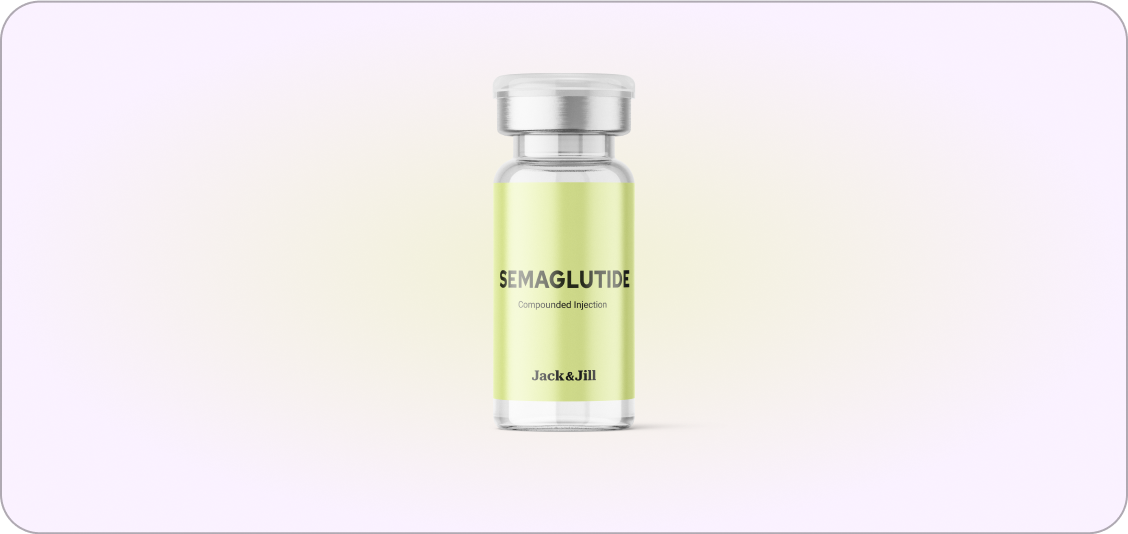
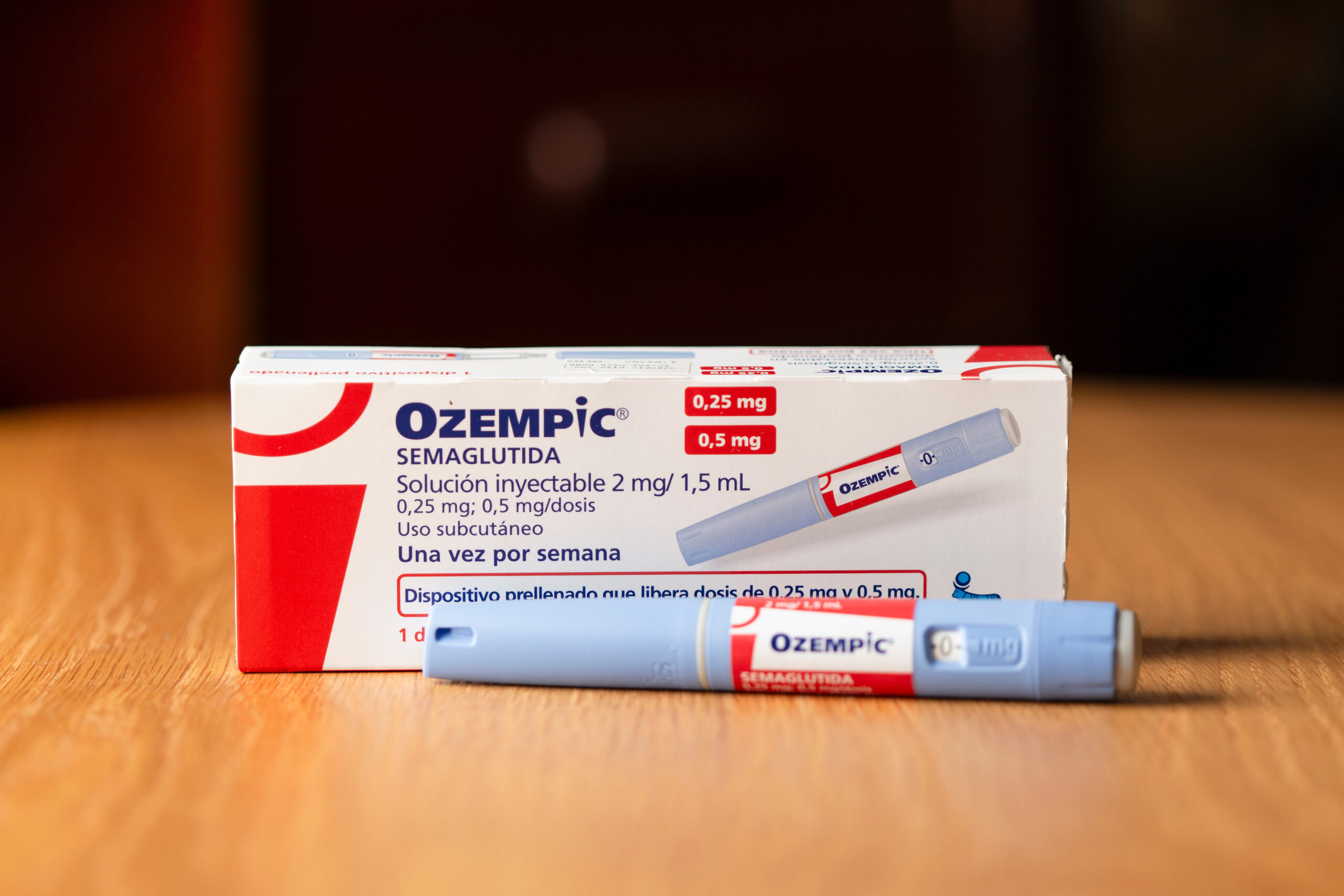
Semaglutide is the active ingredient in a number of prescription medicines. It is available only with a prescription and is used under the supervision of a healthcare professional.

When taking Semaglutide, what you eat is an important part of your treatment plan. A balanced diet may help you manage common side effects and support your general health.

There are no dietary guidelines for Semaglutide. When used for weight loss, it is combined with a lower-calorie diet. If you’re using Semaglutide to manage type 2 diabetes, a diet should focus on regulating your blood sugar levels. Also, certain foods might make side effects symptoms worse.

This article outlines general dietary considerations to raise with your healthcare provider or a registered dietitian.

About the Experts

We champion clinical excellence through evidence-based, personalized care. We are also commited to affordable clinically-led care for everyone. With features like same day doctor appointments, judgement free care, 24/7 medical chat support, 50+ pharmacy providers, free shipping we are on to something.
semaglutide

Semaglutide

starting at $248 /mo

Why is Semaglutide getting so popular right now?

Because it works. 92% members have achieved lasting weight loss.

List of Foods to Eat While on Semaglutide

The following sections outline general dietary considerations that people taking Semaglutide often discuss with their healthcare provider or a registered dietitian.

Foods Supporting Appetite Suppression

Semaglutide generally affects appetite and blood sugar levels within a few weeks of starting treatment.  Peptides, amino acids, and short-chain fatty acids are nutrients associated in the literature with feelings of fullness.

Foods rich in these nutrients are:

  • Eggs
  • Avocado
  • Lean proteins (soy, lentils, quinoa, and other plant-based proteins; chicken or fish)
  • Cayenne pepper
  • Green tea
  • Nuts.

Foods Regulating Blood Sugar Levels

Consuming foods that help regulate blood sugar levels is critical when taking Semaglutide. These foods have a low glycemic index and help stabilize blood sugar levels. The body breaks them down gradually, providing a slower release of glucose. 

Foods beneficial for blood sugar control include:

  • Whole grains (wheat, maize, corn, rye, barley, oats, rice, and quinoa in their natural, unprocessed state)
  • Legumes (beans, lentils, chickpeas, green peas, soybeans, broad beans)
  • Leafy greens (spinach, chard, kale, collard greens, mustard greens)
  • Lean proteins (plant proteins, chicken breast).

Foods Supporting GI (Gastrointestinal) Health

Semaglutide is a peptide that suppresses appetite and increases feelings of satiety by imitating the natural GLP-1 hormone released in the gut after a meal. It accomplishes this by slowing the stomach’s emptying.

Feeling fuller for longer can lead to bloating, nausea, heartburn, and general discomfort. 

Foods containing prebiotic fibers and resistant starches might naturally alleviate these symptoms:

  • Cooked and cooled whole grains and potatoes
  • Yogurt
  • Kimchi
  • Pickles
  • Sauerkraut
  • Legumes
  • Lentils
  • Less-ripe bananas
  • Undercooked oats (such as overnight oats).
  • Ginger, crackers, toast, and foods containing water, such as soups, to relieve nausea.

Foods to Avoid While Using Semaglutide

When taking Semaglutide, it is very important to avoid foods that can exacerbate side effects, disrupt blood sugar regulation, or are high in calories.

Foods that may make side effects more prominent or work against your dietary goals include:

  • Fried foods
  • Processed foods
  • High-fat foods
  • Sugary foods
  • High-sodium foods.

In the following subsections, we will go into great detail about foods that you should avoid.

Fried and Processed Foods

The oil used for frying gets absorbed into the food, increasing the overall calorie consumption.

Processed foods contain unhealthy ingredients, such as preservatives, sweeteners, artificial colors, and flavors. The consumption of these foods is linked to an increased risk of obesity, coronary heart disease, and type 2 diabetes.

Fried foods to avoid while taking Semaglutide are:

  • Battered fish
  • Crisps
  • Some breakfast cereals
  • Onion rings
  • Spring rolls
  • French fries.

High-Fat Foods

High-fat foods combined with Semaglutide increase the likelihood of experiencing digestive side effects. Fatty foods to avoid while on Semaglutide include:

  • Full-fat dairy products like butter and cream
  • Greasy foods like pizza, burgers, and potato chips.

Sugary Foods

Avoiding foods high in sugar can prevent blood glucose spikes. Sugary foods to avoid while on Semaglutide include:

  • Sweets
  • Cakes
  • Biscuits
  • Fizzy drinks
  • Milkshakes.

High-Sodium Foods

Salty food increases the risk of cardiovascular diseases, gastric cancer, obesity, osteoporosis, and kidney disease. Exploratory analyses of two randomized clinical trials found that GLP-1 receptor agonists did not affect sodium intake. 

Salty foods to avoid while taking Semaglutide include:

  • Canned soups
  • Fast food
  • Processed meats
  • Breads.

Related articles

Diet and Lifestyle Tips While Taking Semaglutide

General habits that support a balanced diet include:

  1. Set Goals: Define realistic goals to stay motivated.
  2. Start Small: Make gradual changes like:
    • Eat smaller, frequent meals
    • Drink more water
    • Limit alcohol
    • Choose nutrient-dense foods
    • Walk daily.
  3. Eat More Produce: Fruits and vegetables are low in calories and rich in nutrients. Try grapefruit, kiwi, lettuce, cucumber, and blueberries.
  4. Get Professional Help: Consult a dietitian or endocrinologist for personalized advice on diet, activity, and stress management.

Speak with your healthcare provider or a registered dietitian before making significant changes to your diet or activity level.

Frequently Asked Questions

Can I Eat Rice on Semaglutide?

Yes, you can eat rice while taking Semaglutide, but you should watch your portion sizes. Brown or wild rice are good options for adding fiber and nutrients to your diet. Just keep an eye on the portion size, as rice can be high in calories. 

How Many Calories Should I Eat on Semaglutide?

There is no single calorie target that applies to everyone. The number of calories you should consume while taking Semaglutide depends on your age, gender, weight, level of activity, and personal health goals. It is best to consult with a healthcare provider or a registered dietitian to determine a specific target that meets your needs.

What Should I Not Mix with Semaglutide?

When taking Semaglutide, there are several things you should avoid mixing it with. Review all of your medications, supplements, and alcohol use with your prescriber or pharmacist, who can advise on the interactions that apply to you.

Key Takeaways

  • Nutrient-dense foods such as eggs, avocado, lean proteins, and nuts are commonly recommended as part of a balanced diet.
  • Low-glycemic foods, like leafy greens, legumes, and whole grains, regulate blood sugar. 
  • Prebiotic fibers in foods like yogurt and kimchi help with digestion, making it essential to support gastrointestinal health.
  • Fried, processed, high-fat, sugary, and sodium-rich foods may make common digestive side effects worse. 
  • Diet and lifestyle habits are part of any plan you agree with your healthcare provider.

Sources

Semaglutide

Peres M, Costa HS, Silva MA, Albuquerque TG. The Health Effects of Low Glycemic Index and Low Glycemic Load Interventions on Prediabetes and Type 2 Diabetes Mellitus: A Literature Review of RCTs. Nutrients. 2023 Dec 10;15(24):5060. doi: 10.3390/nu15245060. PMID: 38140319; PMCID: PMC10746079.

Marventano S, Vetrani C, Vitale M, Godos J, Riccardi G, Grosso G. Whole Grain Intake and Glycaemic Control in Healthy Subjects: A Systematic Review and Meta-Analysis of Randomized Controlled Trials. Nutrients. 2017 Jul 19;9(7):769. doi: 10.3390/nu9070769. PMID: 28753929; PMCID: PMC5537883.

Bielefeld D, Grafenauer S, Rangan A. The Effects of Legume Consumption on Markers of Glycaemic Control in Individuals with and without Diabetes Mellitus: A Systematic Literature Review of Randomised Controlled Trials. Nutrients. 2020 Jul 17;12(7):2123. doi: 10.3390/nu12072123. PMID: 32708949; PMCID: PMC7400945.

Yen TS, Htet MK, Lukito W, Bardosono S, Setiabudy R, Basuki ES, Wibudi A, Martianto D, Subekti I, Fahmida U. Increased vegetable intake improves glycaemic control in adults with type 2 diabetes mellitus: a clustered randomised clinical trial among Indonesian white-collar workers. J Nutr Sci. 2022 Jun 21;11:e49. doi: 10.1017/jns.2022.41. PMID: 35836691; PMCID: PMC9241062.

Pfeiffer AFH, Pedersen E, Schwab U, Risérus U, Aas AM, Uusitupa M, Thanopoulou A, Kendall C, Sievenpiper JL, Kahleová H, Rahélic D, Salas-Salvadó J, Gebauer S, Hermansen K. The Effects of Different Quantities and Qualities of Protein Intake in People with Diabetes Mellitus. Nutrients. 2020 Jan 30;12(2):365. doi: 10.3390/nu12020365. PMID: 32019211; PMCID: PMC7071151.

Stuby J, Gravestock I, Wolfram E, Pichierri G, Steurer J, Burgstaller JM. Appetite-Suppressing and Satiety-Increasing Bioactive Phytochemicals: A Systematic Review. Nutrients. 2019 Sep 17;11(9):2238. doi: 10.3390/nu11092238. PMID: 31533291; PMCID: PMC6769678.

B Keogh J, M Clifton P. Energy Intake and Satiety Responses of Eggs for Breakfast in Overweight and Obese Adults-A Crossover Study. Int J Environ Res Public Health. 2020 Aug 3;17(15):5583. doi: 10.3390/ijerph17155583. PMID: 32756313; PMCID: PMC7432073.

Leidy HJ, Armstrong CL, Tang M, Mattes RD, Campbell WW. The influence of higher protein intake and greater eating frequency on appetite control in overweight and obese men. Obesity (Silver Spring). 2010 Sep;18(9):1725-32. doi: 10.1038/oby.2010.45. Epub 2010 Mar 25. PMID: 20339363; PMCID: PMC4034047.

Zhu L, Huang Y, Edirisinghe I, Park E, Burton-Freeman B. Using the Avocado to Test the Satiety Effects of a Fat-Fiber Combination in Place of Carbohydrate Energy in a Breakfast Meal in Overweight and Obese Men and Women: A Randomized Clinical Trial. Nutrients. 2019 Apr 26;11(5):952. doi: 10.3390/nu11050952. PMID: 31035472; PMCID: PMC6567160.

Tan, S. Y., Dhillon, J., & Mattes, R. D. (2014). A review of the effects of nuts on appetite, food intake, metabolism, and body weight. The American journal of clinical nutrition, 100 Suppl 1, 412S–22S. https://doi.org/10.3945/ajcn.113.071456

Lete I, Allué J. The Effectiveness of Ginger in the Prevention of Nausea and Vomiting during Pregnancy and Chemotherapy. Integr Med Insights. 2016 Mar 31;11:11-7. doi: 10.4137/IMI.S36273. PMID: 27053918; PMCID: PMC4818021.

Prebiotics: Understanding their role in gut health

Dangal, A., Tahergorabi, R., Acharya, D.R. et al. Review on deep-fat fried foods: physical and chemical attributes, and consequences of high consumption. Eur Food Res Technol 250, 1537–1550 (2024). https://doi.org/10.1007/s00217-024-04482-3

Ultra-processed foods: how bad are they for your health?

Smits, M. M., Ten Kulve, J. S., van Bloemendaal, L., Tonneijck, L., Muskiet, M. H. A., Kramer, M. H. H., Ijzerman, R. G., & van Raalte, D. H. (2019). GLP-1 receptor agonists do not affect sodium intake: Exploratory analyses from two randomized clinical trials. Nutrition (Burbank, Los Angeles County, Calif.), 67-68, 110524. https://doi.org/10.1016/j.nut.2019.06.005

More articles from Jack&Jill

Select your store

United States
Canada

I’m in Canada.

Get matched with licensed treatments and health care providers, where you live.