How to Spot a Counterfeit Semaglutide Injection Pen

Confirming that a prescription medication was dispensed by a licensed pharmacy is an important safety step.

Medically Reviewed By Mostafa Elhennawy MS, Pharm D

Semaglutide is a prescription medication. Counterfeit versions of prescription medications have appeared on the market, and they can pose serious health risks to the people who use them. 

It is important for patients and healthcare providers to be able to tell an authentic, pharmacy-dispensed product from a counterfeit one. 

Medication dispensed through a licensed pharmacy can be traced back to its manufacturer; product obtained outside that system cannot.

About the Experts

We champion clinical excellence through evidence-based, personalized care. We are also commited to affordable clinically-led care for everyone. With features like same day doctor appointments, judgement free care, 24/7 medical chat support, 50+ pharmacy providers, free shipping we are on to something.
semaglutide

Semaglutide

starting at $248 /mo

Why is Semaglutide getting so popular right now?

Because it works. 92% members have achieved lasting weight loss.

How Are Prescription Injection Pens Packaged?

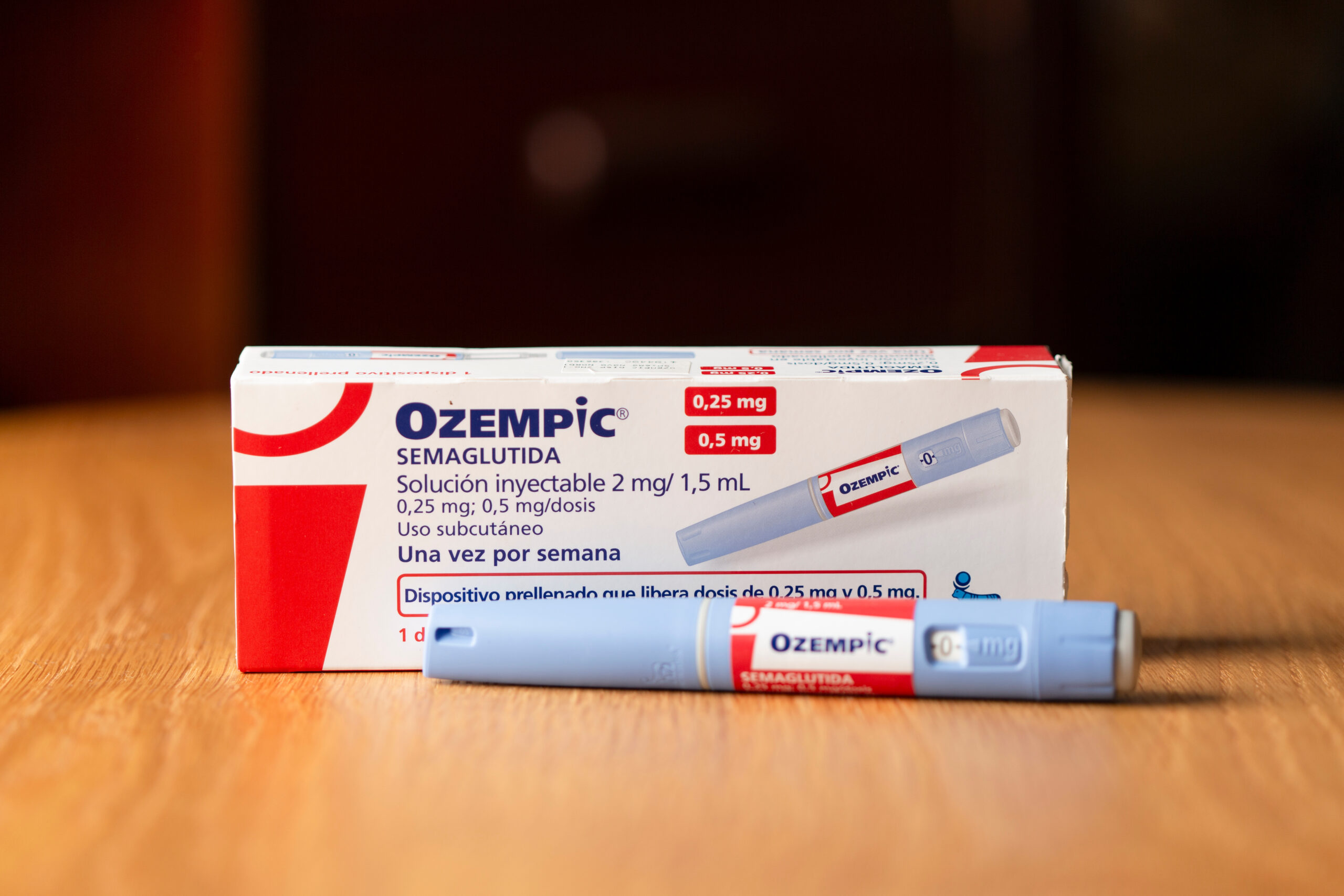
Injectable semaglutide products are packaged to maintain their integrity and ensure patient safety. The medication typically comes in a cardboard box which houses a plastic pen injector. The pen itself is designed to be robust and user-friendly, with clear labeling that includes dosage information, expiration dates, and a batch number for traceability.

The box also features security seals and may include holographic images or unique serial numbers to combat counterfeiting and verify authenticity. These security features are critical in ensuring that the product has not been tampered with and is safe for use.

When assessing prescription medication packaging for potential tampering, look for the following common signs:

– Broken seals: Any sign of a broken or tampered seal on the box could indicate that the medication has been interfered with.

– Misaligned labels: Labels that are not properly aligned or have uneven edges can suggest repackaging.

– Unusual fonts or print quality: Deviations from the high-quality print typically seen on genuine packaging might be a sign of counterfeiting.

– Missing information: Genuine packaging should include all relevant drug information, including manufacturer details, batch numbers, and expiration dates. Absence of these could be a red flag.

– Damage to the box or pen: Any physical damage to the box or the pen itself might suggest tampering or poor handling, which could compromise the medication’s efficacy.

What Should the Solution Look Like?

The solution in a pen injector is visible through the clear window on the pen. Its appearance should match the description given in the product monograph and on the package insert for the product you were dispensed. 

However, slight variations in shade can occur due to minor differences in manufacturing processes or exposure to light, although these should generally remain within a close range of pale to moderately yellow. 

It is crucial for users to be aware that any significant change in color, such as a clear, colorless solution or a deep yellow or brown tint, could indicate a problem with the medication such as degradation or contamination and should be reported to a pharmacist or healthcare provider.

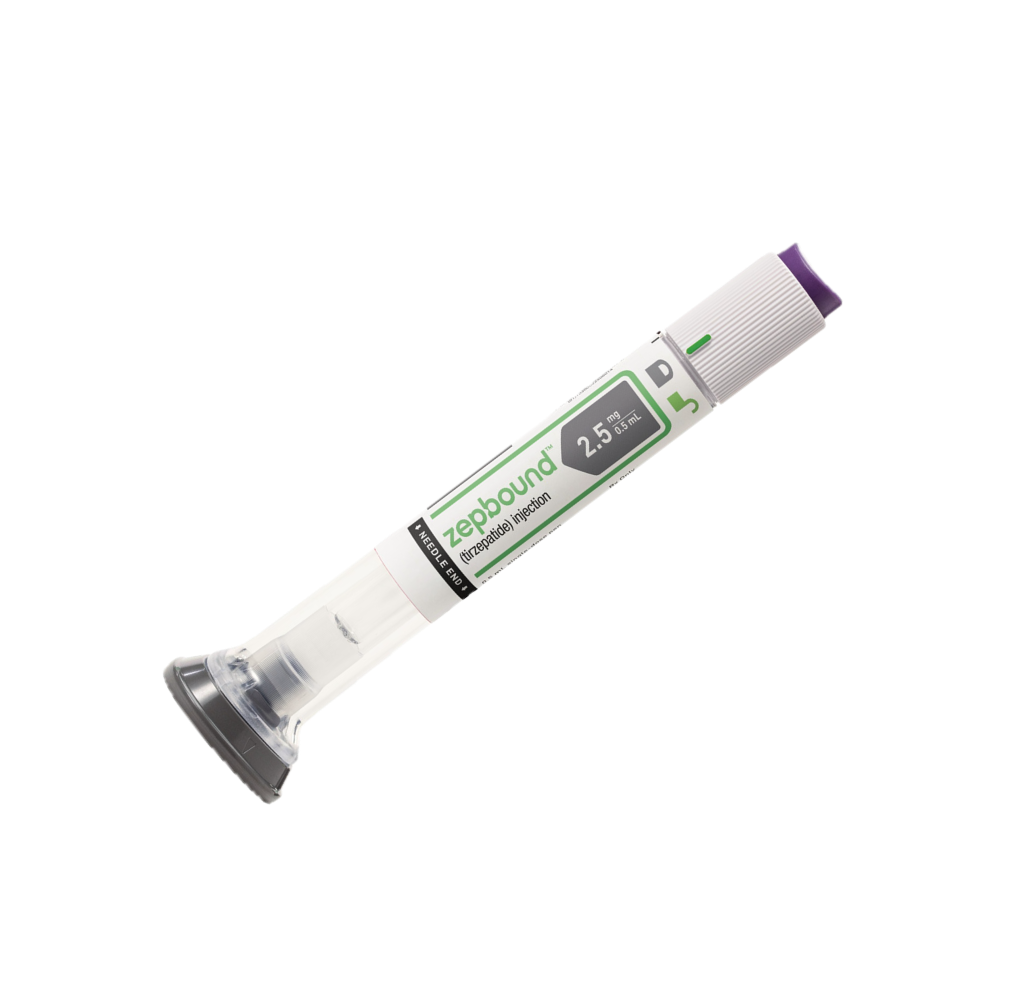
This image features the packaging and pen of an injectable semaglutide product, showing the labelling, including a holographic security seal and batch number on the cardboard box. These details are useful when verifying that a product is authentic.

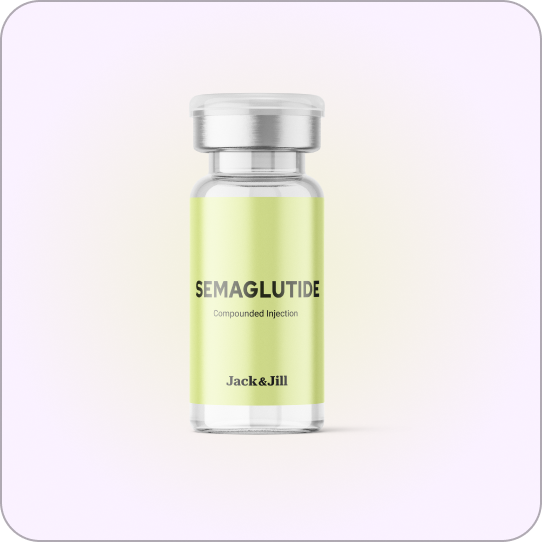
What Does a Semaglutide Injection Pen Look Like?

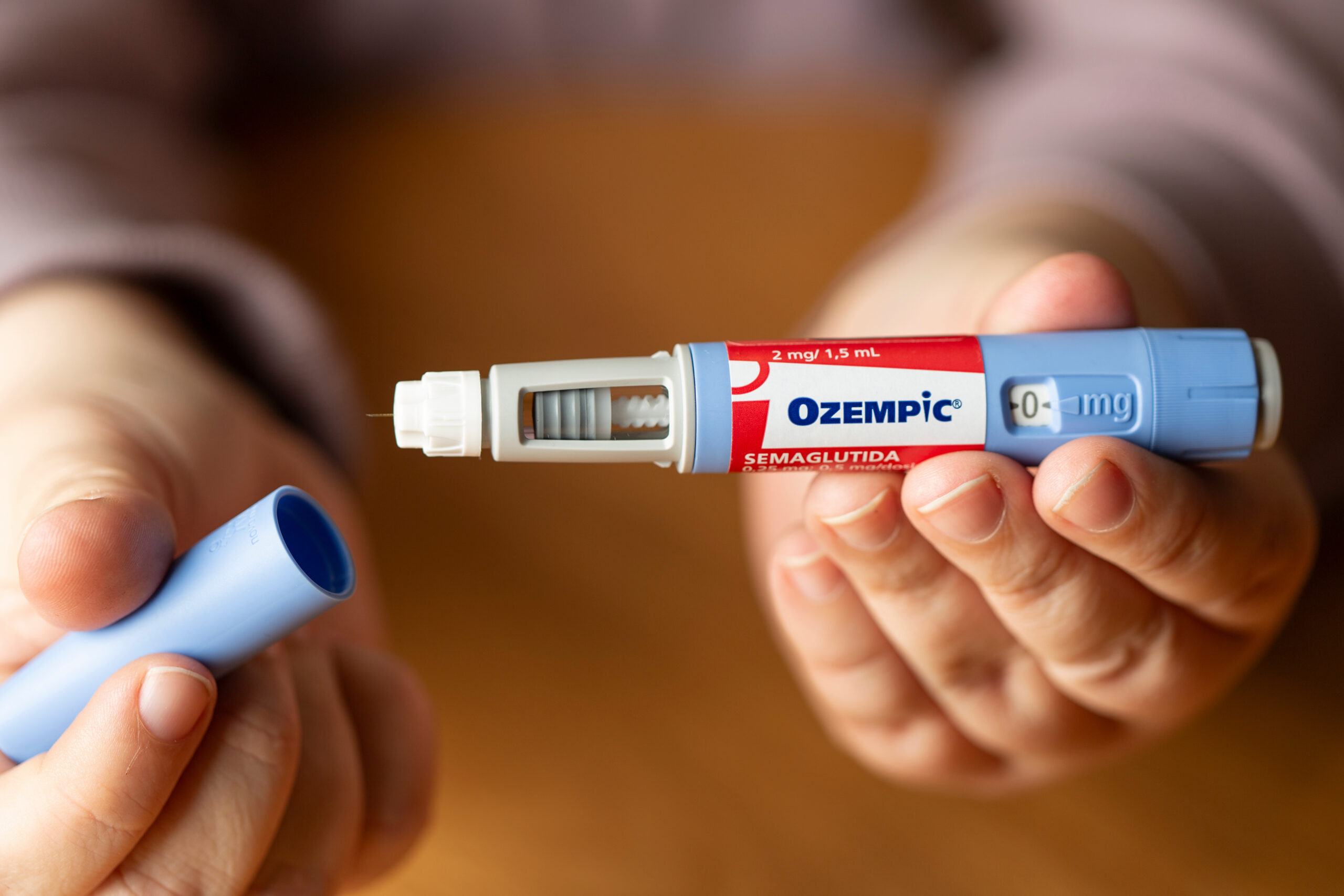
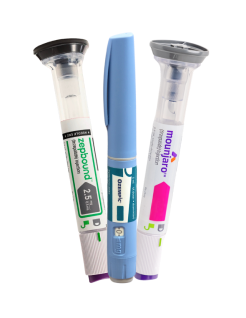
Injectable semaglutide is dispensed in a prefilled pen injector. Manufacturers colour-code their pens so that products are less easily confused with one another, including with insulin pens that use a similar device. 

The product is supplied in three pens, each identifiable by a colour label—red, blue, or yellow—indicating the dose the pen delivers. Each pen is packaged in a carton that includes a set number of pen needles for administration.

In Canada, every authorized product carries a Drug Identification Number (DIN) issued by Health Canada, which appears on the carton and on the pharmacy label.

Each pen is intended for a specific dose. Your prescriber and pharmacist will tell you which pen you have been prescribed and how to use it.

Red-label

The red-label pen contains 0.25 mg and 0.5 mg doses. Unlike the other pens, this pen has two dose options. The dose counter will show -0-, 0.25 and 0.5 options when dialing up a dose.

The red-label pen comes in a carton with six pen needles.

Blue-label

The pen with a blue label is designed for 1 mg doses. This pen is packaged in a carton that includes four pen needles. 

When setting the dose, the dose counter on this pen will display “0” and “1.”

Yellow-label

The pen marked with a yellow label delivers 2 mg doses, which is the highest dose this pen provides. Included in the carton are four pen needles. 

When adjusting the dose, the dose counter on this pen will indicate “0” and “2.”

Related articles

4 Steps to Identify Counterfeit Medication

Counterfeit prescription injection pens have been found on the market. If you are uncertain whether a product you received is authentic, there are several warning signs to watch for:

1. Fill Your Prescription at a Licensed Pharmacy

Filling a prescription at a pharmacy licensed in your province is the most reliable way to reduce the risk of receiving a counterfeit product. Licensed pharmacies are accountable to their provincial regulatory college for how they source and dispense medication. 

You can confirm that an online pharmacy is licensed by looking up its licence with the provincial regulatory college where it operates, and you can ask for the batch number and expiry date of what you were dispensed. 

2. Verify the Authenticity of the Medication

Patients and healthcare providers can use several methods to confirm the legitimacy of a dispensed medication. 

One effective approach is checking the lot numbers and expiration dates against the information available in official databases maintained by the manufacturer or health authorities. Additionally, pharmaceutical companies often provide verification apps or websites where patients can input the product’s unique identifiers, such as serial or batch numbers, to verify its authenticity.

Here’s a step-by-step guide on how to perform these authenticity checks:

  1. Locate the Serial Number: Find the serial number, lot number, and expiry date on the packaging or the pen.
  2. Access Official Resources: Visit the manufacturer’s official website or use their designated verification tool if one is available.
  3. Enter Product Details: Input the serial number and other relevant product details into the verification tool provided.
  4. Check Database Information: The tool will compare your entered details against official records to confirm if the product is registered and authentic.
  5. Review Results: Analyze the feedback from the verification process. Authentic products will match the details in the manufacturer’s database.
  6. Report Discrepancies: If there are any discrepancies in the verification results, contact the manufacturer directly for further guidance.

Following these steps helps confirm that the medication you received is the authentic, authorized product.

3. Be Cautious of Surprisingly Low Prices

Unusually low prices can be a significant red flag indicating the possibility of counterfeit medications. Authorized pharmaceuticals are subject to rigorous manufacturing standards and regulatory compliance, which typically sustain a certain price level. 

When prices fall well below these expected ranges, it often suggests that the product may not have undergone the same quality control processes, potentially making it unsafe or ineffective. Counterfeiters can afford to undercut legitimate market prices because they avoid these costs, risking the health of consumers with inferior or dangerous products.

4. Consult Your Healthcare Professional

Consulting a healthcare professional before starting or purchasing any prescription medication is essential to confirm that it is appropriate for you and that what you receive is authentic. Healthcare providers are equipped with the latest information and resources to guide patients on the safe procurement and use of medications. 

They can verify the legitimacy of the product, tailor dosing to individual health conditions, and provide crucial insights on potential interactions with other medications. This professional guidance helps mitigate the risks associated with counterfeit medications and helps ensure that patients receive a genuine, pharmacy-dispensed product.

Where to Fill Your Prescription Safely

Filling your prescription through a licensed pharmacy is the most reliable way to be confident that what you receive is the authentic, authorized product. Both online and local pharmacies can be reliable options, provided they are licensed in your province and adhere to strict safety and authenticity standards. 

Licensed online pharmacies offer convenient access to medications and display their licensing information. It’s important to verify these details and look for pharmacies that have good reviews and transparent customer service practices. For local purchases, choose pharmacies that are well-established and have a professional affiliation with healthcare organizations.


Frequently Asked Questions

What Can Happen If You Use a Counterfeit Medication?

Using a counterfeit medication poses significant health risks and can lead to serious complications. Counterfeit medications often contain incorrect dosages, either too little or too much of the active ingredient, or may be formulated with harmful substances that can cause adverse reactions. 

It also means the person taking it is not receiving the medication their prescriber intended, and it increases the risk of adverse reactions that would not be expected from an authorized product. 

What Should I Do If I Receive a Counterfeit Medication?

If you suspect that you have received a counterfeit medication, it’s essential to act swiftly to protect your health and to help prevent further distribution. First, immediately cease using the medication and safely set it aside. 

Contact your healthcare provider to report the issue; they can assess any health risks and provide you with a genuine replacement if necessary. Next, inform the pharmacy that dispensed it; a licensed pharmacy will investigate the matter and can arrange a replacement.

Is There a Fake Semaglutide?

Counterfeit versions of semaglutide products have appeared on the market. 

In Canada, only products authorized by Health Canada carry a Drug Identification Number (DIN). You can ask your pharmacist to confirm the DIN and the manufacturer of what you were dispensed; authorized products come from facilities that are licensed and subject to inspection.

Key Takeaways

Importance of Authenticity: It is important for both patients and healthcare providers to be able to distinguish an authentic, pharmacy-dispensed product from a counterfeit one. A counterfeit product may contain the wrong ingredient, the wrong amount, or contaminants.

Packaging Details: Authorized products are packaged in a specific way to protect their integrity and patient safety, with features like security seals and holographic images. Recognizing these packaging details can help identify genuine products and spot signs of tampering.

Color Consistency: The solution’s appearance should match the description in the product monograph, and any significant deviation could indicate contamination or degradation. Knowing what the authentic product looks like can help you avoid counterfeit medication.

You may also be curious about other aspects of semaglutide use, such as whether semaglutide could cause hair loss. Explore this link to discover what current research and user experiences suggest.

More articles from Jack&Jill

Select your store

United States
Canada

I’m in Canada.

Get matched with licensed treatments and health care providers, where you live.