Semaglutide Dosing: Schedules, Adjustments and Side Effects

Semaglutide dosing is individualized and adjusted over time by the prescribing health care provider.

Medically Reviewed By Mostafa Elhennawy MS, Pharm D

Semaglutide is a prescription GLP-1 receptor agonist. Whether it is appropriate for any particular person, and for what purpose, is a decision for a licensed health care provider. This article is general information only and is not a recommendation to use any drug.

A health care provider determines whether semaglutide is appropriate and, if so, a suitable dose, based on the patient’s medical history, current conditions and allergies.

In this article we discuss semaglutide dosing, dosing schedule and adjustments, side effects and cost.


About the Experts

We champion clinical excellence through evidence-based, personalized care. We are also commited to affordable clinically-led care for everyone. With features like same day doctor appointments, judgement free care, 24/7 medical chat support, 50+ pharmacy providers, free shipping we are on to something.
semaglutide

Semaglutide

starting at $248 /mo

Why is Semaglutide getting so popular right now?

Because it works. 92% members have achieved lasting weight loss.

Semaglutide Dosing Overview

Semaglutide is the active ingredient in more than one prescription product, and those products differ in strength and in the uses for which they are authorized; the product and the dose depend on what a prescriber is treating.   

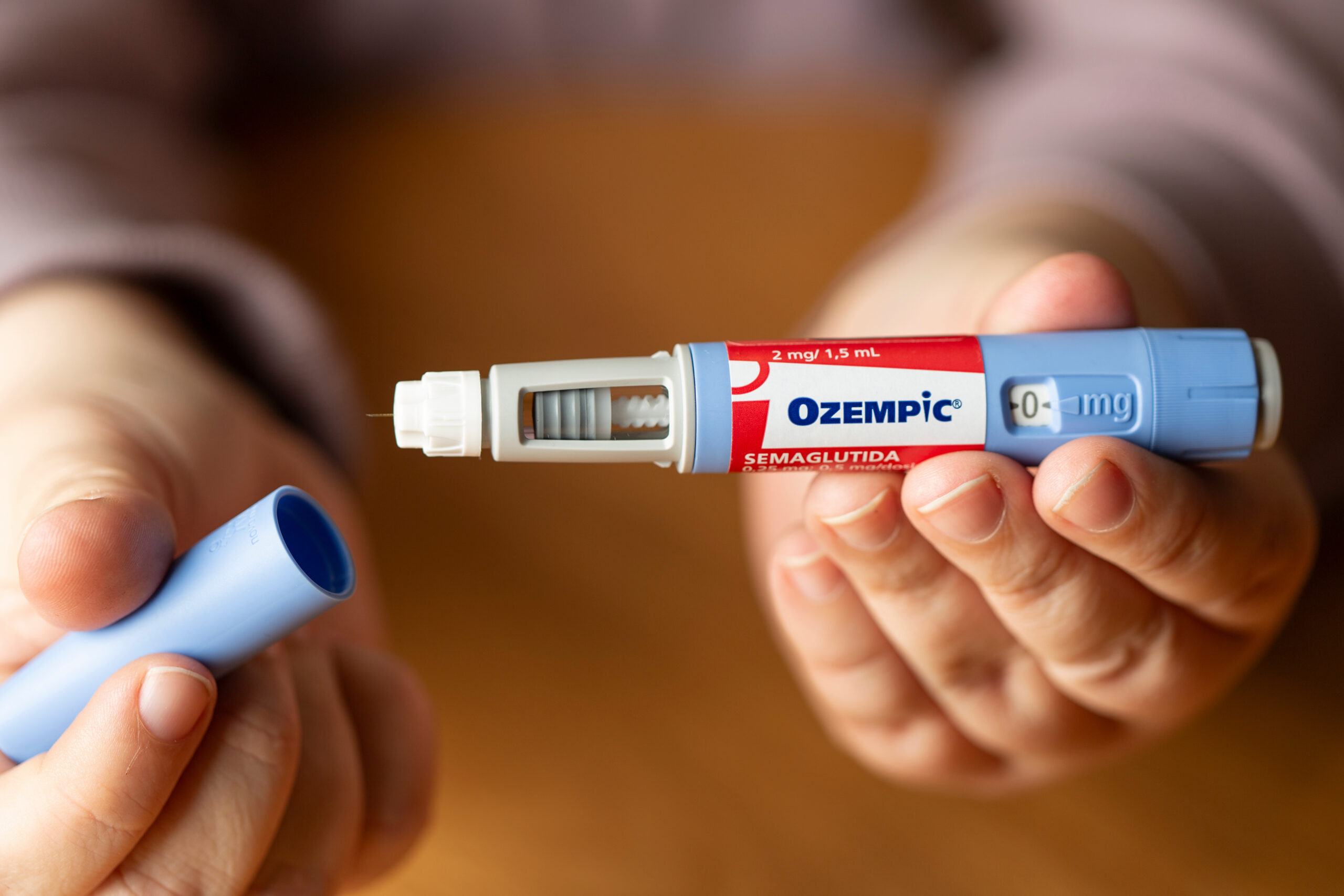
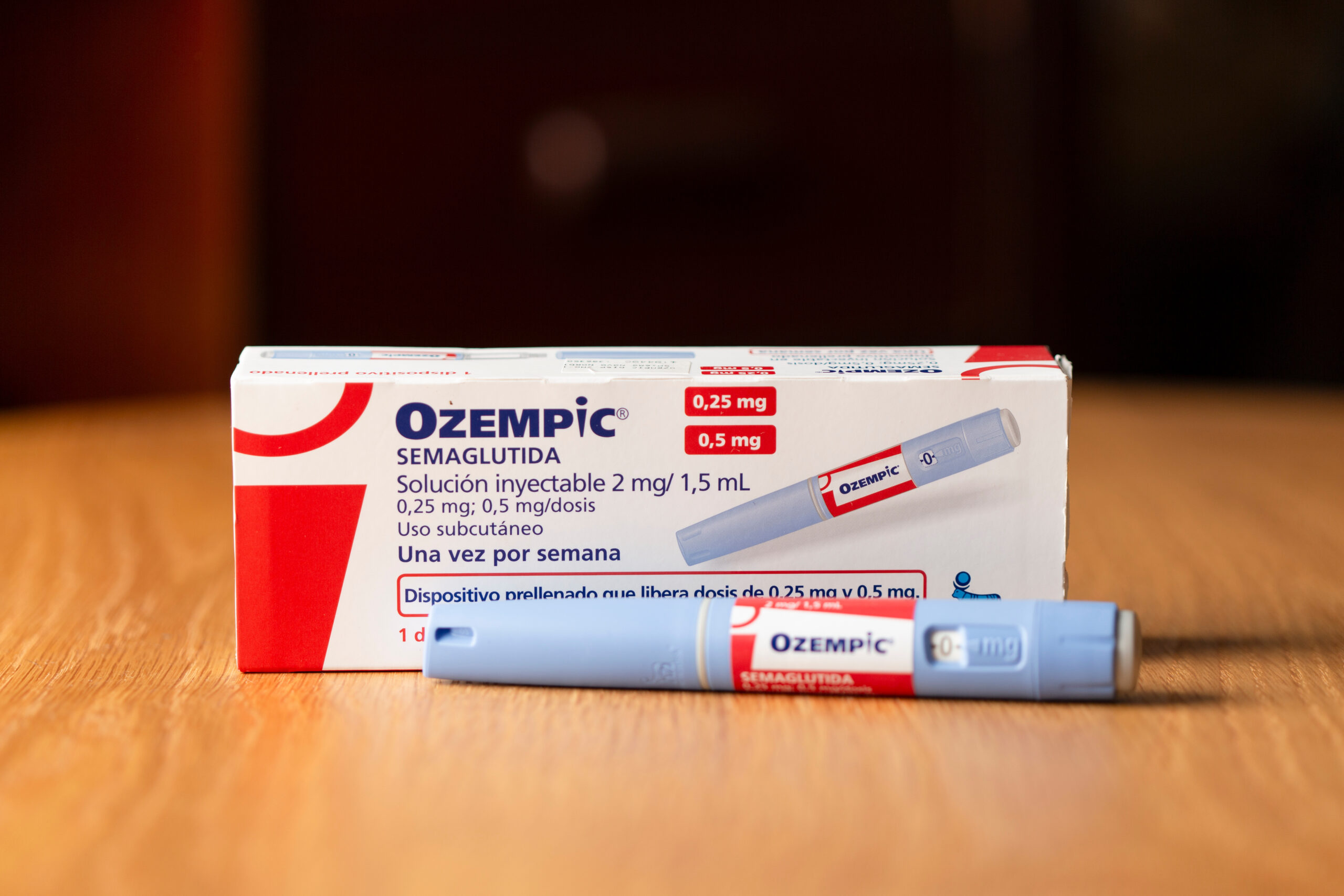
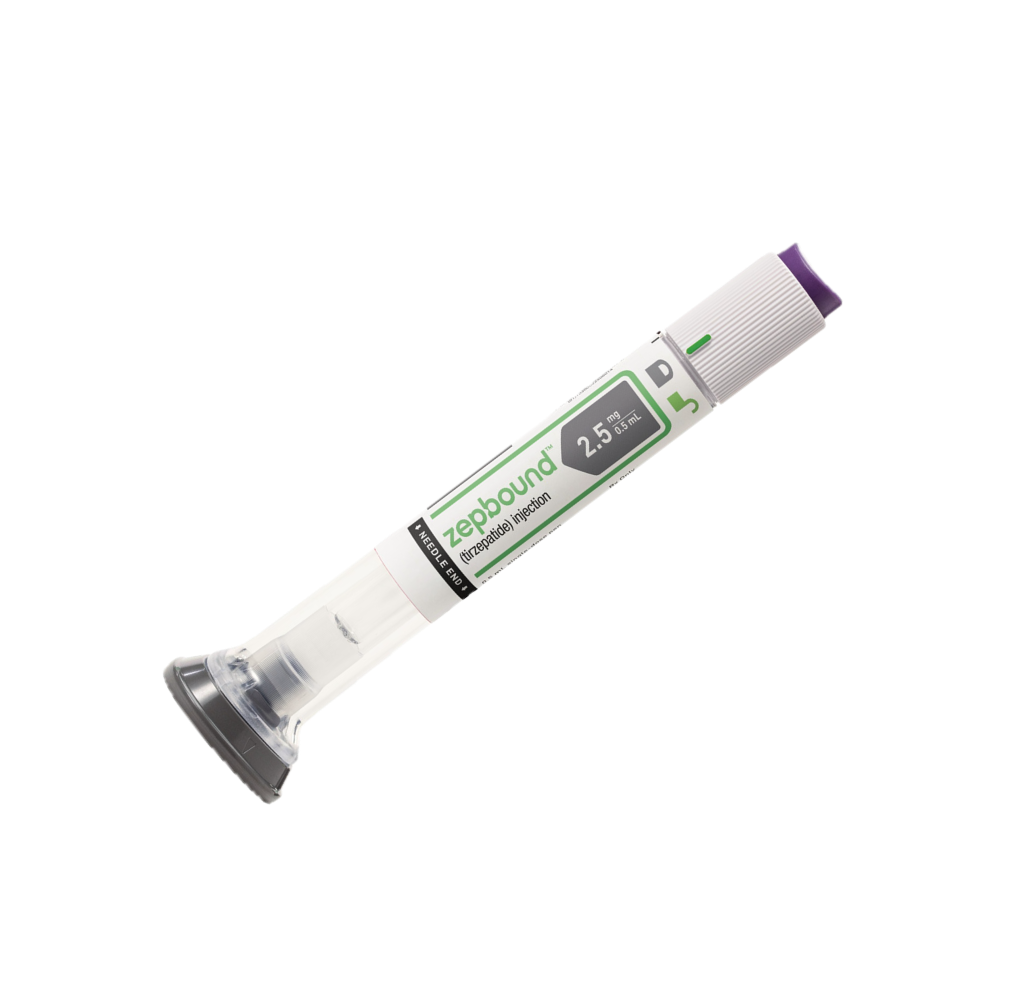
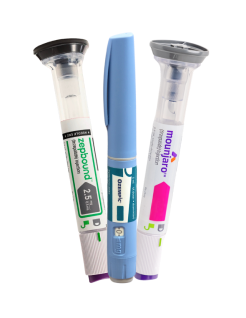
Semaglutide injection pens are prefilled with 4 dosages of either 0.25 mg, 0.5 mg, 1 mg or 2 mg. The lowest, starting dose is 0.25 mg once a week, and the maximum dose is 2 mg once a week. The prescriber decides whether and when to change the dose, and evaluates whether the current dose needs adjustment based on blood sugar levels, clinical response and how well side effects are tolerated. 

Published research reports that the effects of semaglutide on blood sugar and body weight are dose-dependent. The same literature reports that responses differ between males and females.

Females Vs Males

Dose level

Body weight change

More prominent Dose dependent
Side effects More prominent

Dose dependent


Semaglutide Dosing Schedule

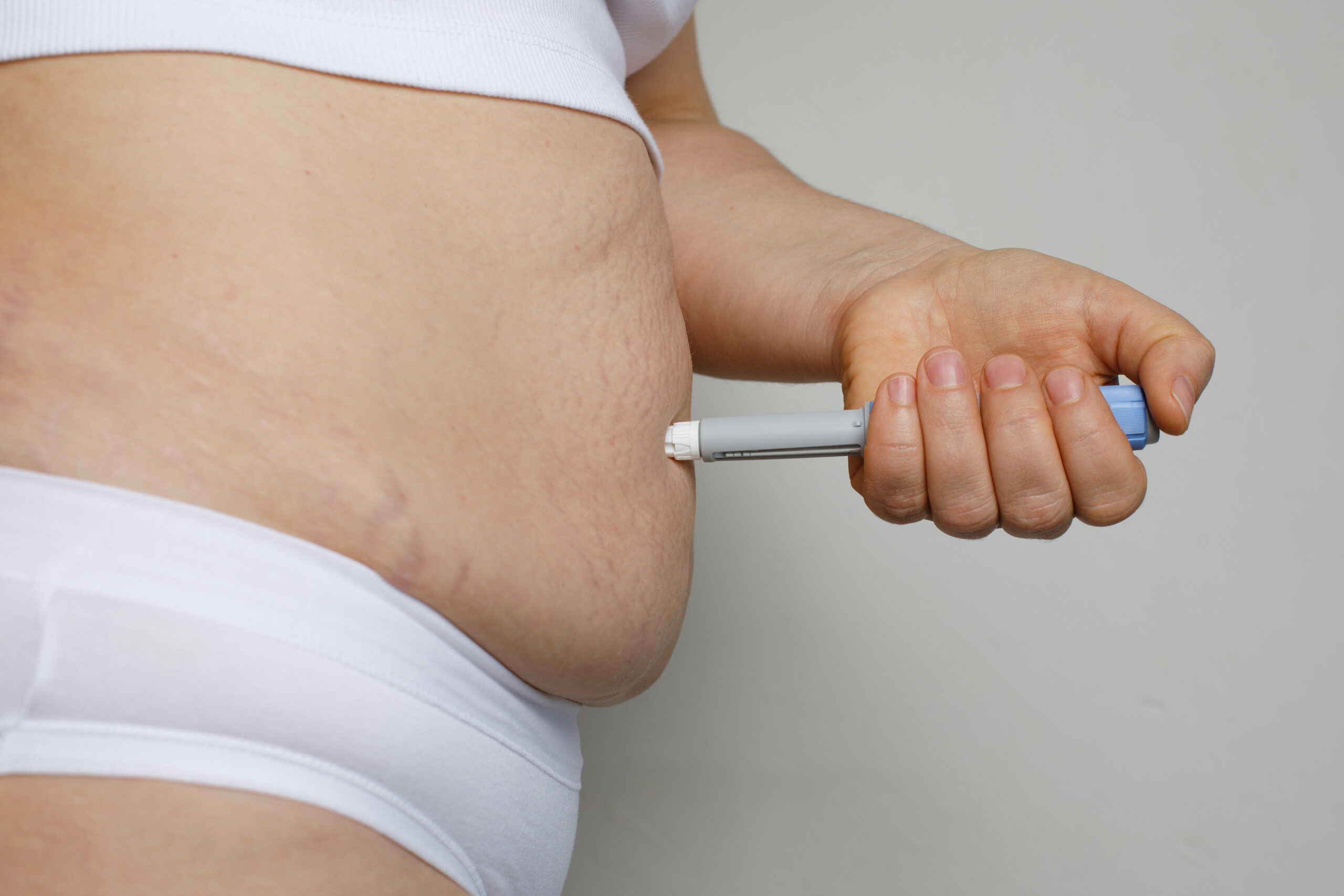
  • Semaglutide injection is administered subcutaneously once a week on the same day each week.
  • It can be taken with or without meals.
  • The injection site (upper arm, thigh and abdomen) should be rotated each time.

The dosing schedule set by the prescriber should be followed as directed.

Related articles

Dosage Adjustments for Specific Groups

Underlying health conditions can influence a person’s eligibility to take semaglutide or impact dose adjustments. Semaglutide should be avoided if the patient is at risk or has a history of pancreatitis or thyroid tumors, such as medullary thyroid carcinoma (MTC).

Dosage must be fine-tuned for patients:

  • with renal impairment because semaglutide is processed by the kidneys 
  • taking other diabetes medications.

In both cases patients are at higher risk of having too much semaglutide in their system which can enhance side effects and cause hypoglycemia.

Health care provider will adjust the dosage if:

  • GI-related side effects occur more frequently
  • The patient’s response plateaus for 3-4 weeks while following the diet and activity plan agreed with their provider.

Safety and Side Effects of Semaglutide

The most common side effects in semaglutide’s clinical trials were:

  • Nausea
  • Diarrhea
  • Vomiting
  • Abdominal pain
  • Constipation.

Serious side effects can include:

  • Swelling of the pancreas
  • Diabetic retinopathy
  • Kidney problems
  • Allergic reactions
  • Acute gallbladder disease
  • Hypoglycemia.

Regular monitoring can help in managing side effects, along with starting with a smaller dose and slowly increasing it over time, eating bland foods and avoiding fatty meals, taking anti-nausea medication and staying hydrated. If side effects do not get milder or go away then it might be necessary to discontinue the drug.

Cost and Access to Semaglutide

The out-of-pocket cost of semaglutide varies by product, strength, the quantity dispensed and the pharmacy, and coverage differs between public drug plans and private insurers. A pharmacy can confirm the current price for a specific prescription, and a benefits provider can confirm what is covered.

Frequently Asked Questions

Can Semaglutide Be Used by Children or Teens?

Semaglutide products differ in the ages and the uses for which they are authorized, and not every semaglutide product is authorized for use in children or adolescents. A separate, higher-dose semaglutide product was authorized for adolescent use in the United States in 2022, following the STEP TEENS study, which was funded by the manufacturer. Trials of GLP-1 receptor agonists in children aged 6-12 are ongoing.

Is There Any Withdrawal Concern If I Stopped Using Semaglutide All of a Sudden?

There are withdrawal symptoms when abruptly stopping semaglutide, like an increase in appetite or blood glucose spikes.

What Happens If You Miss a Dose or Overdose?

A missed dose of semaglutide can be taken within 5 days of the scheduled day; after that the dose is skipped and the next one is taken as scheduled. Symptoms reported after taking too much include dizziness, sweating, headache, weakness, fatigue, nausea, vomiting, fainting and seizure. Anyone who may have taken too much should contact a health care provider or their local poison centre immediately, or call 911 in an emergency.

Key Takeaways

Semaglutide is a prescription drug. Whether it is appropriate for a given person, and for what purpose, is a decision for a licensed health care provider. 

Semaglutide is not suitable for everyone and should only be used under the supervision of a health care provider, who sets and adjusts the dose.

More articles from Jack&Jill

Select your store

United States
Canada

I’m in Canada.

Get matched with licensed treatments and health care providers, where you live.