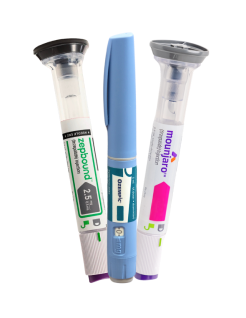
What is Semaglutide Made of? Ingredients and Sources

Semaglutide is the active ingredient in several different prescription products, available in both injectable and oral forms.

Medically Reviewed By Mostafa Elhennawy MS, Pharm D

Semaglutide is a medication used primarily for the treatment of type 2 diabetes. It belongs to a class of drugs known as GLP-1 receptor agonists, which work by mimicking the incretin hormones that the body usually produces to stimulate insulin release in response to meals. 

This helps to control blood sugar levels in patients managing type 2 diabetes. 

Knowing the source of the ingredients can inform healthcare providers and patients about the sustainability and ethical sourcing practices of the manufacturing process, aspects increasingly important to consumer choices and regulatory compliance in the pharmaceutical industry.
About the Experts

We champion clinical excellence through evidence-based, personalized care. We are also commited to affordable clinically-led care for everyone. With features like same day doctor appointments, judgement free care, 24/7 medical chat support, 50+ pharmacy providers, free shipping we are on to something.
semaglutide

Semaglutide

starting at $248 /mo

Why is Semaglutide getting so popular right now?

Because it works. 92% members have achieved lasting weight loss.

What is Semaglutide?

Semaglutide is a medication classified as a glucagon-like peptide-1 (GLP-1) receptor agonist, used primarily in the management of type 2 diabetes. It works by enhancing the body’s ability to produce insulin, the hormone that regulates blood sugar levels, in response to increased blood glucose. 

This mechanism not only aids in controlling blood sugar levels but also slows gastric emptying and reduces appetite, which can contribute to weight loss. Semaglutide is administered via injection, and cardiovascular outcomes have also been examined in clinical trials.

The development of Semaglutide was part of an expansion in the use of incretin mimetics for diabetes treatment, which began in the early 2000s. It was developed by Novo Nordisk and is a modified form of the human incretin hormone, with a longer duration of action than naturally occurring peptides. 

Semaglutide is authorized by Health Canada for the treatment of type 2 diabetes. Its authorization was supported by a series of clinical trials that examined blood glucose control and cardiovascular risk factors among patients with type 2 diabetes.

How Does Semaglutide Work?

Semaglutide operates in the body by mimicking the action of the incretin hormone GLP-1 (glucagon-like peptide-1), which is naturally secreted in response to food intake. As a GLP-1 receptor agonist, Semaglutide binds to and activates GLP-1 receptors in the pancreas, enhancing the release of insulin when blood glucose levels are high. 

Additionally, it suppresses the release of glucagon, a hormone that raises blood glucose levels, from the pancreas. These actions together help in lowering blood glucose levels. Semaglutide also acts on the brain to reduce appetite and food intake, contributing to weight loss. 

Furthermore, it slows gastric emptying, which helps in reducing the speed at which glucose is absorbed into the bloodstream after eating, aiding in overall glucose management.

Nutrition remains an important part of care for anyone prescribed semaglutide. For general information, see our guide to diet while taking semaglutide.

Related articles

What is Semaglutide's Active Ingredient?

Semaglutide is the active ingredient in several different prescription products, which are supplied as a once-weekly injection or as a daily oral tablet. It is prescribed for weight management in specific patients and to decrease blood sugar levels, as well as to mitigate the risk of major cardiovascular events like heart attacks or strokes in certain individuals. As a GLP-1 agonist, semaglutide functions by enhancing insulin secretion, reducing glucagon release, slowing gastric emptying, and curbing appetite.

Semaglutide products are not all the same: although they share a single active ingredient, they are separately authorized, and the authorized uses, dosage forms and dose ranges differ from one product to another. They are not interchangeable, and only a prescriber can determine which product and use apply to a given patient.

The time course of semaglutide’s action in the body varies from person to person. For general background, see our article on how long semaglutide takes to work.

What are the Other Ingredients in Semaglutide Injection?

Semaglutide injection contains, in addition to the active ingredient semaglutide, several inactive ingredients that serve various purposes in the medication’s stability, delivery, and absorption. Here’s a list of these ingredients and their functions:

  • Disodium phosphate dihydrate: Helps in maintaining the pH balance of the solution.
  • Propylene glycol: Acts as a solvent and stabilizer in the formulation.
  • Phenol: Used as a preservative to prolong shelf life.
  • Water for injections: Serves as the solvent in which all the ingredients are dissolved.

Among these components, phenol is notable as it could potentially be a common allergen for some individuals. Additionally, propylene glycol, while generally safe, can sometimes cause irritation or allergic reactions, making these two ingredients particularly important to be aware of if you have sensitivities or allergies.

Dosage for Semaglutide Injection

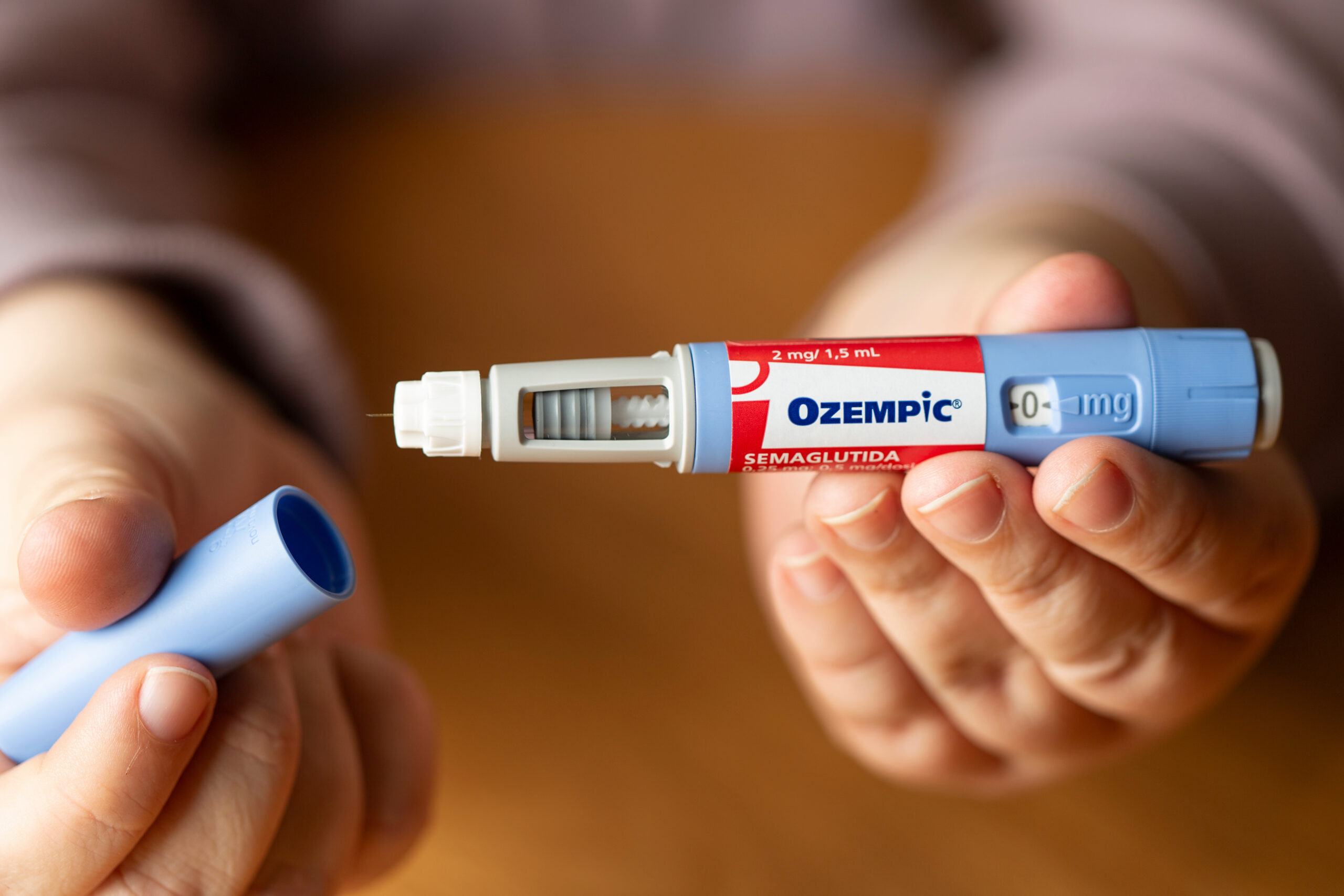
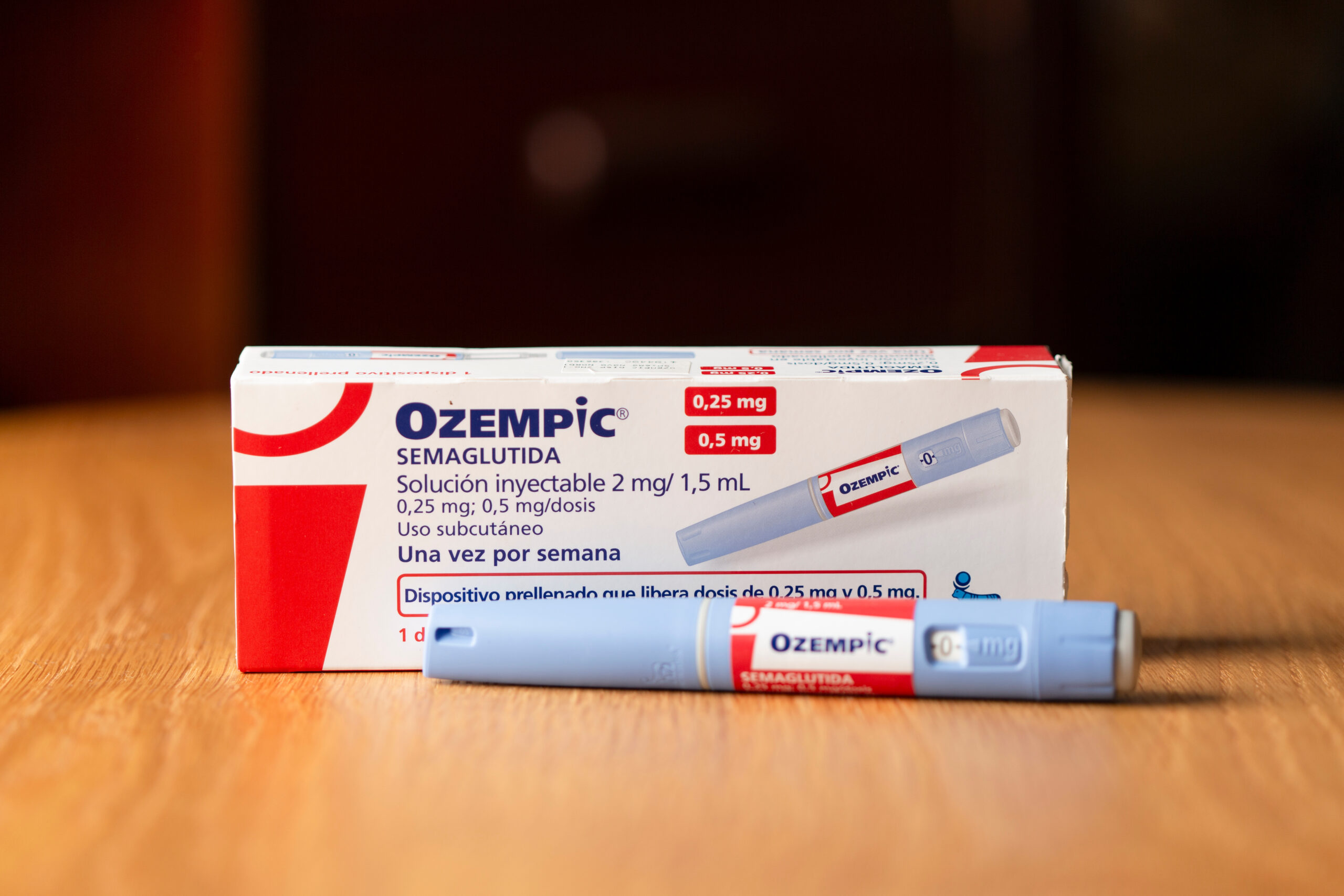
Semaglutide injection is supplied as a pre-filled injection pen and is administered once a week subcutaneously, meaning just under the skin, which can be done in the abdomen, thigh, or upper arm. The timing of your meals does not impact the effectiveness of the dose. 

It’s important to choose a consistent day and time each week that fits your schedule to maintain a routine. Semaglutide injection for type 2 diabetes is typically started at a dose of 0.25 mg weekly, which is primarily intended to help the body adjust to the medication and reduce digestion-related side effects rather than to control blood sugar.

Here’s a breakdown of a typical semaglutide injection dosing schedule:

  • Month 1: Start with 0.25 mg once weekly.
  • Month 2: Increase to 0.5 mg once weekly.
  • Month 3: Optional increase to 1 mg once weekly.
  • Month 4 and onward: Optional increase to 2 mg once weekly, depending on your needs and doctor’s advice.

Your usual dosage will likely range from 0.5 mg to 2 mg once weekly, which is the maximum. Always follow your healthcare provider’s specific instructions, which may vary from the general guidelines.

Not every semaglutide product is authorized for the same use or the same dose range. The product authorized for type 2 diabetes has a maximum dose of 2 mg once weekly; other separately authorized semaglutide products have different approved uses and different maximum doses. These products are not interchangeable, and only a prescriber can determine which one applies.

Side Effects of Semaglutide

Common side effects experienced by patients using semaglutide include:

  • Nausea
  • Vomiting
  • Diarrhea
  • Stomach pain
  • Constipation
  • Reduced appetite
  • Heartburn
  • Injection site reactions

Some side effects may be severe. If you notice any of the following symptoms, contact your doctor immediately or seek emergency medical attention:

  • Persistent pain in the upper left or middle stomach that may radiate to the back, with or without vomiting
  • Rash, itching, swelling of the eyes, face, mouth, tongue, or throat, or difficulty breathing or swallowing
  • Reduced urination, or swelling in the legs, ankles, or feet
  • Changes in vision
  • Fainting or dizziness
  • Pain in the upper stomach, yellowing of the skin or eyes, fever, or clay-colored stools 
  • Rapid heart rate
  • Dizziness, lightheadedness, sweating, confusion or drowsiness, headache, blurred vision, slurred speech, shakiness, fast heart rate, anxiety, irritability or mood changes, hunger, weakness, or feeling jittery.

Some side effects may lessen over time, while others are serious and require immediate medical attention. These include signs of pancreatitis such as severe abdominal pain that may radiate to the back, nausea or vomiting that does not stop, and rapid heartbeat.

Frequently Asked Questions

Does Semaglutide Injection Contain Preservatives?

Semaglutide injection includes a small quantity of phenol, which serves as a preservative. This addition is important because the pen is used multiple times, and phenol helps inhibit the growth of bacteria and other microbes in the medication throughout its usage.

Can Any Ingredients in Semaglutide Injection Cause an Allergic Reaction?

You may experience an allergic reaction to an ingredient in semaglutide injection. If you have any history of allergies or food sensitivities, it’s important to inform your doctor before starting treatment.

Is Semaglutide Actually Insulin?

No, semaglutide is not a type of insulin, nor does it replace insulin. However, it does encourage the pancreas to produce insulin when glucose levels rise, such as after eating. Semaglutide relies on the body’s own insulin production.

Key Takeaways


  • Semaglutide is a GLP-1 receptor agonist used in the management of type 2 diabetes; it also slows gastric emptying and reduces appetite.
  • Knowing the ingredients and their sources in semaglutide products can help identify potential allergens and inform questions about how the medication is manufactured.
  • Semaglutide is authorized in Canada, and separately authorized semaglutide products differ in their approved uses, dosage forms and dose ranges.

More articles from Jack&Jill

Select your store

United States
Canada

I’m in Canada.

Get matched with licensed treatments and health care providers, where you live.