Metformin Vs Semaglutide for Weight Loss: Surprising Insights

The main difference between Metformin and Semaglutide is the mechanism of action. The two medications belong to different drug classes and work in different ways.

Medically Reviewed By Mostafa Elhennawy MS, Pharm D

Losing weight is hard, and lifestyle changes alone aren’t always enough. Some people also ask their healthcare provider about prescription medications such as Metformin and Semaglutide. 

Metformin is primarily used for diabetes but it’s also taken for weight loss. The results are usually modest. Semaglutide belongs to a different drug class and has been studied for weight management in clinical trials. 

Now, deciding between Metformin vs. Semaglutide for weight loss involves weighing each medication’s benefits and side effects, as both impact individual health outcomes differently. This article compares the profiles of Metformin and Semaglutide as general information to discuss with a licensed healthcare professional.


About the Experts

We champion clinical excellence through evidence-based, personalized care. We are also commited to affordable clinically-led care for everyone. With features like same day doctor appointments, judgement free care, 24/7 medical chat support, 50+ pharmacy providers, free shipping we are on to something.
semaglutide

Semaglutide

starting at $248 /mo

Why is Semaglutide getting so popular right now?

Because it works. 92% members have achieved lasting weight loss.

Metformin Vs. Semaglutide: Which One is Better for Weight Loss?

The main difference between Metformin and Semaglutide is the mechanism of action. The two medications belong to different drug classes and work in different ways.  

Other distinctions between the two medications are summarized in the table below:

Metformin Semaglutide
Chemical composition Biguanide drug GLP-1 receptor agonist
Mechanism of Action Reducing hepatic glucose production, enhancing glucose absorption by skeletal muscle, diminishing intestinal absorption, and enhancing insulin sensitivity Boosting insulin release, decreasing glucagon release, slowing down gastric emptying, and promoting satiety while simultaneously reducing the brain’s reward response to food
Effectiveness Modest weight loss Significant weight loss
Side effects GI issues, decreased vitamin B12 levels, and lactic acidosis GI issues, pancreatitis, gallstones, hypoglycemia, kidney failure, allergic reactions, vision changes, tachycardia, depression, and suicidal ideation
Cost $11 for 30 tablets (1000 mg) $968.52-$1,349.02 per package
Accessibility Hard Hard
Usage Guidelines There is no labeling information about what dose should be prescribed. The typical maintenance dose for weight loss is 2.4 mg, administered weekly.

Check out the following subsections to get a more thorough explanation of each difference.

Chemical Composition

Metformin and Semaglutide differ in molecular structures and belong to different drug classes. Because of this, they have different pharmacokinetic profiles. 

Metformin is a biguanide drug derived from the bushy perennial Goat’s rue found in temperate grassland regions of Asia and Europe. Semaglutide, by contrast, is a peptide similar to the hormone GLP-1 released in the gastrointestinal tract in response to eating.

Related articles

Mechanisms of Action

Metformin lowers basal and postprandial blood glucose levels by reducing hepatic glucose production and enhancing glucose absorption by skeletal muscle. It also diminishes intestinal absorption and improves insulin sensitivity. 

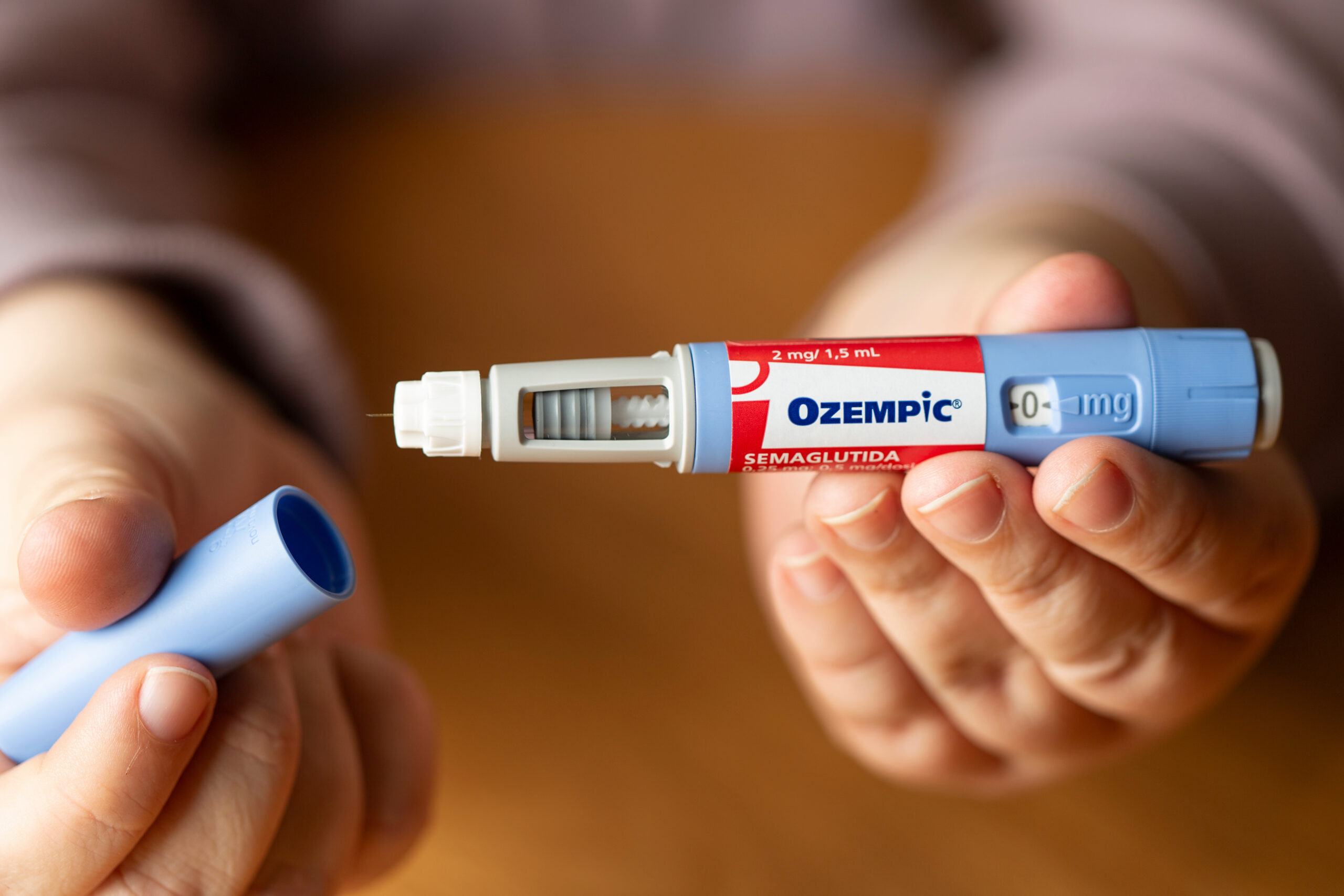
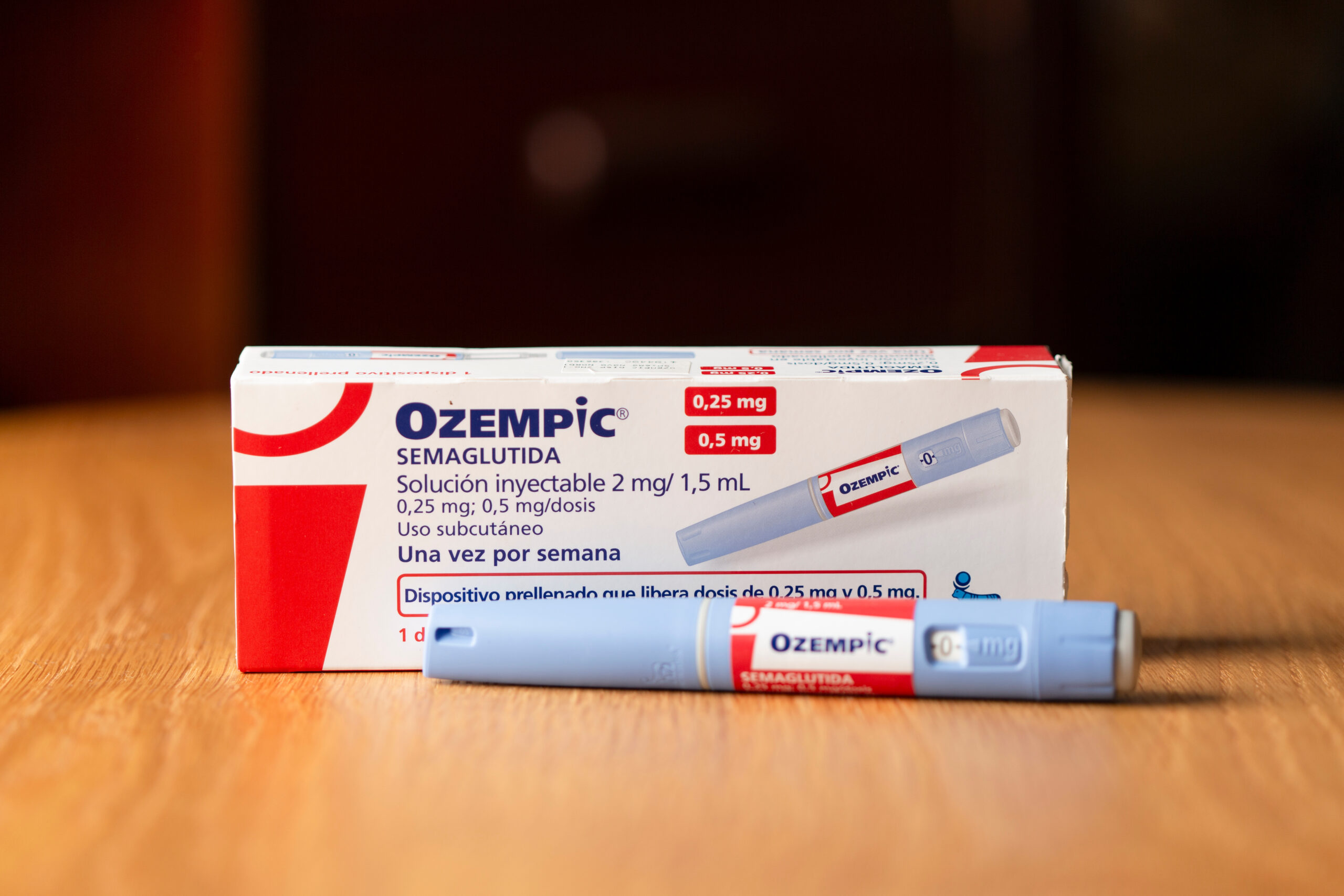
On the other hand, Semaglutide reduces appetite by signaling to the brain that a person has eaten. This produces more insulin and decreases glucagon, which improves blood glucose control. Semaglutide leads to weight loss by making a person feel fuller for longer.

Evidence From Clinical Studies

Metformin can reduce BMI by about one unit, which is minimal for a weight loss drug. Patients who lost over 5% of body weight in the first year maintained an average 6.2% weight loss over 6 to 15 years. In a 68-week randomized trial of adults with overweight or obesity, Semaglutide was associated with a mean body-weight reduction of about 15%. 

In a study of 2,000 obese adults, those taking Semaglutide with diet and exercise lost significantly more: half lost 15%, and nearly one-third lost 20% of their body weight, while lifestyle changes alone led to just 2.4% weight loss.

Side Effects

Metformin commonly causes gastrointestinal issues. Chest discomfort, headache, diaphoresis, hypoglycemia, weakness, decreased vitamin B12 levels, and lactic acidosis are less common.

Semaglutide’s side effects include gastrointestinal issues, pancreatitis, gallstones, hypoglycemia, kidney failure, allergic reactions, vision changes, tachycardia, depression, and suicidal ideation.

Patients should discuss both Metformin and Semaglutide with a licensed healthcare provider before starting any prescription medication.

Cost and Accessibility

The cost of Metformin and Semaglutide varies by treatment plan, insurance, and pharmacy discounts. Metformin, a generic drug, costs around $11 for 30 tablets (1000 mg). In contrast, brand-name Semaglutide products cost considerably more, from about $968.52 to $1,349.02 for a 28-day supply, depending on the product and dose. Insurance can significantly reduce Semaglutide costs, but many still face high out-of-pocket expenses.

Usage Guidelines

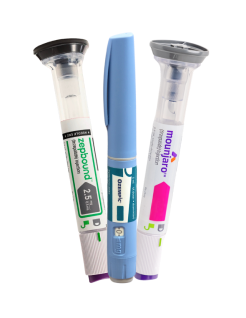
The starting dose of Semaglutide is 0.25 mg weekly for the first month, gradually increasing to a typical weight loss dose of 2.4 mg. Unlike Semaglutide, which is injected, Metformin is taken orally in three forms: oral suspension, immediate-release, and extended-release tablets.

Initial doses for immediate-release Metformin are 500 mg twice daily or 850 mg once daily, increasing as tolerated, with a maintenance dose of 2000 mg/day. Extended-release Metformin starts at 500-1000 mg daily, with a maximum of 2000 mg/day. Metformin is not authorized for use as a weight-loss treatment.

Frequently Asked Questions

Can You Take Metformin and Semaglutide Together?

Semaglutide and Metformin are sometimes prescribed together, but whether that combination is appropriate is a decision for a prescriber. The differences between Metformin and Semaglutide in how they control blood sugar mean that combining the two offers complementary effects for improved glycemic control and weight management. Some people suffer mild to moderate gastrointestinal side effects from Metformin, which are not worsened by adding Semaglutide.

Does Insurance Cover Semaglutide and Metformin for Weight Loss?

No, insurance does not cover Semaglutide and Metformin for weight loss, even though obesity is linked to several health risks. For this, there have to be obesity-related medical problems. Also, taking Metformin for weight loss is regarded as an off-label use because it is approved for diabetes. 

Are Semaglutide and Metformin Safe for Long-term Use?

Long-term use of either medication requires medical supervision. However, healthcare professionals must check the kidneys and vitamin B12 levels at least once a year, especially if the patient taking Metformin is tired, breathless, and faint. Also, there is a minimal risk of gallbladder disease associated with longer-term use of Semaglutide.

Key Takeaways

  • Semaglutide and Metformin act through different mechanisms and are authorized for different uses. 
  • The mechanisms of action, efficacy, dosage forms, and strengths of Metformin and Semaglutide are very different.
  • Long-term use of either medication requires ongoing medical supervision, including regular follow-up to monitor for adverse effects.
  • Metformin is more affordable than branded Semaglutide.

Sources

Brandfon S, Eylon A, Khanna D, Parmar MS. Advances in Anti-obesity Pharmacotherapy: Current Treatments, Emerging Therapies, and Challenges. Cureus. 2023 Oct 7;15(10):e46623. doi: 10.7759/cureus.46623. PMID: 37937009; PMCID: PMC10626572.

Chakhtoura M, Haber R, Ghezzawi M, Rhayem C, Tcheroyan R, Mantzoros CS. Pharmacotherapy of obesity: an update on the available medications and drugs under investigation. EClinicalMedicine. 2023 Mar 20;58:101882. doi: 10.1016/j.eclinm.2023.101882. PMID: 36992862; PMCID: PMC10041469.

Metformin

9. Pharmacologic Approaches to Glycemic Treatment: Standards of Care in Diabetes—2024 

Han SH, Safeek R, Ockerman K, Trieu N, Mars P, Klenke A, Furnas H, Sorice-Virk S. Public Interest in the Off-Label Use of Glucagon-like Peptide 1 Agonists (Ozempic) for Cosmetic Weight Loss: A Google Trends Analysis. Aesthet Surg J. 2023 Dec 14;44(1):60-67. doi: 10.1093/asj/sjad211. PMID: 37402640.

Andraos J, Smith SR, Tran A, Pham DQ. Narrative review of data supporting alternate first-line therapies over metformin in type 2 diabetes. J Diabetes Metab Disord. 2024 Mar 25;23(1):385-394. doi: 10.1007/s40200-024-01406-6. PMID: 38932889; PMCID: PMC11196467.

Rena G, Hardie DG, Pearson ER. The mechanisms of action of metformin. Diabetologia. 2017 Sep;60(9):1577-1585. doi: 10.1007/s00125-017-4342-z. Epub 2017 Aug 3. PMID: 28776086; PMCID: PMC5552828.

Mulherin AJ, Oh AH, Kim H, Grieco A, Lauffer LM, Brubaker PL. Mechanisms underlying metformin-induced secretion of glucagon-like peptide-1 from the intestinal L cell. Endocrinology. 2011 Dec;152(12):4610-9. doi: 10.1210/en.2011-1485. Epub 2011 Oct 4. PMID: 21971158.

Pharmaceutical Roots: Metformin – could leading antidiabetic become ‘The aspirin of the 21st century?’

Apolzan JW, Venditti EM, Edelstein SL, Knowler WC, Dabelea D, Boyko EJ, Pi-Sunyer X, Kalyani RR, Franks PW, Srikanthan P, Gadde KM; Diabetes Prevention Program Research Group. Long-Term Weight Loss With Metformin or Lifestyle Intervention in the Diabetes Prevention Program Outcomes Study. Ann Intern Med. 2019 May 21;170(10):682-690. doi: 10.7326/M18-1605. Epub 2019 Apr 23. Erratum in: Ann Intern Med. 2020 Sep 15;173(6):508. doi: 10.7326/L20-0029. PMID: 31009939; PMCID: PMC6829283.

Wilding JPH, Batterham RL, Calanna S, Davies M, Van Gaal LF, Lingvay I, McGowan BM, Rosenstock J, Tran MTD, Wadden TA, Wharton S, Yokote K, Zeuthen N, Kushner RF; STEP 1 Study Group. Once-Weekly Semaglutide in Adults with Overweight or Obesity. N Engl J Med. 2021 Mar 18;384(11):989-1002. doi: 10.1056/NEJMoa2032183. Epub 2021 Feb 10. PMID: 33567185.

Pu R, Shi D, Gan T, Ren X, Ba Y, Huo Y, Bai Y, Zheng T, Cheng N. Effects of metformin in obesity treatment in different populations: a meta-analysis. Ther Adv Endocrinol Metab. 2020 May 21;11:2042018820926000. doi: 10.1177/2042018820926000. PMID: 32499908; PMCID: PMC7243386.

Moiz A, Levett JY, Filion KB, Peri K, Reynier P, Eisenberg MJ. Long-Term Efficacy and Safety of Once-Weekly Semaglutide for Weight Loss in Patients Without Diabetes: A Systematic Review and Meta-Analysis of Randomized Controlled Trials. Am J Cardiol. 2024 Jul 1;222:121-130. doi: 10.1016/j.amjcard.2024.04.041. Epub 2024 Apr 26. PMID: 38679221.

Yerevanian A, Soukas AA. Metformin: Mechanisms in Human Obesity and Weight Loss. Curr Obes Rep. 2019 Jun;8(2):156-164. doi: 10.1007/s13679-019-00335-3. PMID: 30874963; PMCID: PMC6520185.

Li J, Li K, Liu Z, Yu H, Zhang J. Efficacy and safety of semaglutide combined with metformin in treating T2DM with overweight or obesity: a systematic review and meta-analysis. Am J Transl Res. 2024 Aug 15;16(8):3545-3556. doi: 10.62347/RYLN5360. PMID: 39262717; PMCID: PMC11384358.

Hausner H, Derving Karsbøl J, Holst AG, Jacobsen JB, Wagner FD, Golor G, Anderson TW. Effect of Semaglutide on the Pharmacokinetics of Metformin, Warfarin, Atorvastatin and Digoxin in Healthy Subjects. Clin Pharmacokinet. 2017 Nov;56(11):1391-1401. doi: 10.1007/s40262-017-0532-6. PMID: 28349387; PMCID: PMC5648738.

More articles from Jack&Jill

Select your store

United States
Canada

I’m in Canada.

Get matched with licensed treatments and health care providers, where you live.